An effective outdoor advertising campaign does not begin with the selection of a specific advertising format or location. Instead, it starts with defining the campaign objective. The choice of locations, formats, geographic coverage and campaign duration should always be driven by what the advertiser wants to achieve and the audience they want to reach.
The planning process for an OOH or DOOH campaign typically includes the following steps.
1. Defining the Campaign Objective
The first and most important step is to clearly define the purpose of the campaign.
Common objectives of outdoor advertising campaigns include:
- Increasing brand awareness.
- Launching a new product or service.
- Strengthening the presence of an established brand.
- Promoting a specific offer, event or activation.
- Driving local awareness around a store or point of sale.
- Creating high-impact visibility.
The campaign objective influences every subsequent decision, from location selection and network size to campaign duration and format.
2. Identifying the Target Audience
Once the objective has been defined, the next step is to identify the audience the campaign aims to reach.
In some cases, the goal is to achieve maximum reach across the general population. In others, communication is aimed at specific audience groups such as:
- Residents of a particular area.
- Working professionals and business audiences.
- Drivers and commuters.
- Students.
- Tourists.
- Families.
- Consumers of specific products or services.
A clear understanding of the target audience helps determine the appropriate geographic coverage and the most relevant advertising locations.
3. Selecting Geographic Areas and Advertising Locations
Outdoor advertising is based on reaching audiences in the physical environments where they live, work, travel and spend their time. For this reason, location selection is one of the most important decisions in any media plan.
Key questions include:
- Where does the target audience travel on a daily basis?
- Which routes and transportation corridors do they use?
- Where do they work, live or spend their leisure time?
- Where do they shop?
An outdoor advertising campaign may be deployed:
- Near points of sale.
- In high-traffic commercial areas.
- Along major road networks.
- At transportation hubs and commuter routes.
- In tourist destinations.
- Around universities, business districts and other locations of special interest.
Selecting the right locations ensures that the message reaches audiences where it is most relevant and most likely to influence consumer behaviour.
4. Selecting the Appropriate Format and Advertising Medium
Once the target locations have been identified, the next step is to select the most suitable advertising formats.
Each format serves different objectives and viewing conditions.
For example:
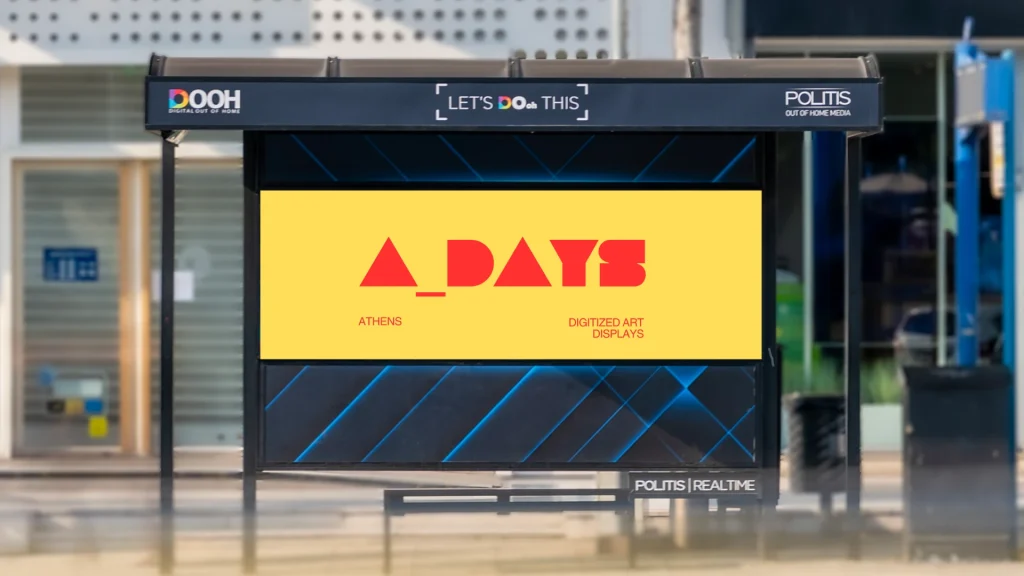
- Bus shelters provide high-frequency exposure and close proximity to pedestrians.
- Billboards offer broad reach and strong visibility.
- Digital screens provide flexibility, multiple messaging opportunities and real-time content capabilities.
- Premium formats can deliver exceptional impact and increased public attention.
The choice of format should always support the communication objective rather than determine it.
5. Determining Campaign Duration and Frequency
The effectiveness of an outdoor advertising campaign depends not only on where the message is displayed, but also on how often audiences are exposed to it.
Factors typically considered during campaign planning include:
- Campaign duration.
- Desired frequency of exposure.
- Product seasonality.
- Periods of increased consumer activity or visitation.
- Available budget.
In many cases, repeated exposure to a message is more effective than relying solely on a small number of highly visible locations.
6. Measuring and Evaluating Campaign Performance
The planning process concludes with the evaluation of campaign delivery and performance.
Modern outdoor advertising can be measured using mobility, traffic and audience movement data to estimate campaign effectiveness and audience exposure.
Depending on the market and measurement methodology, key metrics may include:
- Reach.
- Impressions.
- Frequency.
- Geographic coverage.
- Analysis by area or advertising location.
Measurement enables advertisers to assess the effectiveness of their investment and optimise future campaigns.
Conclusion
The success of an outdoor advertising campaign does not depend on a single advertising location or format. It is the result of combining the right objective, audience, locations, formats and campaign duration.
A well-designed OOH media plan ensures that the message reaches the right audience, in the right place, at the right time, maximising campaign effectiveness and advertising impact.